Customers long for choice, in their eyes the more the better. But your customers are wrong; in fact, all of us are wrong – both as businesses supplying the choice and as customers demanding it. And yet I still see it all the time, from market stalls to chain stores: all of them laying out their full range of products in the belief that shoppers will find something they like. But by offering too much choice people are less likely to buy anything at all. Even being aware of this fact, I still find myself overwhelmed by choice and often walk away choosing not to buy anything at all.
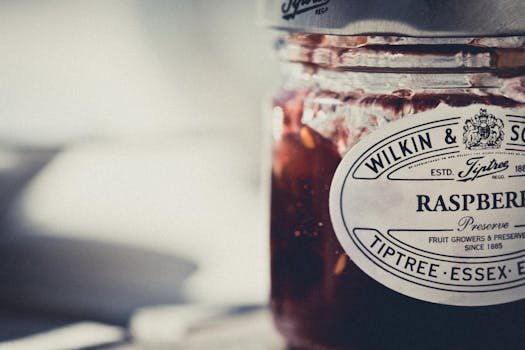
Choice Paralysis
There’s a famous study published in 2000 by psychologists Sheena Iyengar and Mark Lepper. On one day, shoppers at a food market were faced with a display table featuring 24 varieties of jam. Those who tested any of them received a coupon for $1 off any jam. On another day shoppers saw a similar table but with only six varieties on show. Naturally, the larger display drew more attention than the small one. But when it came to the checkout, people who saw the large display were only 10% as likely to purchase as those who saw the small display.
This is the very illustration of choice paralysis in action. The assumption is that the relationship between choice and happiness is simple: the more there is, the better off people are. But the evidence from the study suggests that by adding too much choice to a range of products actually reduces the feeling of well-being until the assumed benefits of more choice actually drop off. In addition, more choice demands more effort on the part of the customer and, given that additional effort usually contradicts rather than supports our first instinct, can lead to anxiety, indecisiveness and buyers’ remorse.
More Choice, Less Indecision
So why then do businesses, like Netflix, offer so much choice? More to the point, how can they offer that much choice without the previously mentioned choice paralysis? The answer is simple: they don’t. They offer the illusion of choice, with an abundance of films and TV shows to watch to satisfy even the most niche of tastes. Algorithms exploit your likes to offer you recommendations, these recommendations are formed from the collation of massive amounts of customer behavioural data of people who’ve watched similar entertainment – your recommendations are simply the result of monitoring the habits of other people, habits you are replicating. The most impersonal of personal suggestions.
The recommendation algorithm technologies in business have also had a paradoxical effect on our habits by both increasing the range of product choice to mind-boggling levels, but focus attention on the most popular products. Customers are directed to products by ranking and recommendation algorithms. Those customers then believe they’ve made the final decision to watch (or listen or buy) but that choice is not going to be a million miles away from the product they’d have chosen anyway.
And businesses can replicate this even without developing complex algorithms. Dig into sales data for repeat customers and analyse the most likely second and third purchases based on each first unique purchase. This combined with your average time between conversions can create the illusion of a recommendation algorithm, it can even be automated to add to the effect. Use this to nudge your existing customers into making repeat purchases, upselling service contracts and extending the lifetime value and even the average order value of your customers.
You want to offer your customers the illusion of choice. Your basic product is not enough anymore. They’ll be happy for the perceived positive benefits of being offered more choice, but what you’ll really be doing is cleverly managing your customer’s behaviour. Let your customers browse your 24 varieties of jam, but when you know they’re most likely to be in the market to purchase again, deliver them the 2 or 3 varieties you want them to buy.

 Solid Concept CRM
Leave a comment